The 10 best brand management software platforms

updated 2026

Introduction

Brand management software keeps your logo, colors, guidelines and assets in one place, so everyone working with a brand uses it correctly. Most of the tools on this list do that well. The core features (a place for guidelines, an asset library, sharing and collaboration) are remarkably similar across the board.

So the real question is not "which one has the features". They all do. The real question is what you pay, how many brands you get for that price, and whether you have to request a new quote every time you add one. That is where these tools actually differ, and that is what this comparison focuses on.

Frontify

Frontify logo

A polished brand management platform, strong on brand portals and guidelines, aimed at mid-to-large in-house teams.

Read more about Frontify
Price per brand
Custom quote, entry tiers typically start around €15.000 to €30.000 per year.
Pros
Excellent brand portal builder, clean interface, well suited to larger in-house brand teams.
Cons
Expensive for one brand, and you go through a sales process to get a price. Each additional brand pushes you up the pricing tiers. Overkill for a freelancer or a small agency.
Bynder

Bynder logo

A polished brand management platform, strong on brand portals and guidelines, aimed at mid-to-large in-house teams.

Read more about Bynder
Price per brand
Custom quote, entry tiers typically start around €15.000 to €30.000 per year.
Pros
Excellent brand portal builder, clean interface, well suited to larger in-house brand teams.
Cons
Expensive for one brand, and you go through a sales process to get a price. Each additional brand pushes you up the pricing tiers. Overkill for a freelancer or a small agency.
Brandfolder

Brandfolder logo

A cloud-based brand asset platform, now part of the Smartsheet ecosystem, focused on centralized access and analytics.

Read more about Brandfolder
Price per brand
Custom quote, aimed at mid-market and enterprise budgets.
Pros
Clean interface, good analytics, solid for one larger brand with many stakeholders.
Cons
Quote-based pricing, geared to bigger organizations. Managing multiple separate client brands is not where it is cheapest or simples

Canto

Canto logo

A well-established DAM popular with mid-market marketing teams, focused on organizing and distributing assets.

Read more about Canto
Price per brand
Custom quote, typically a few thousand per year and up.
Pros
Solid asset management, approachable for mid-size teams, good rights control.
Cons
Still quote-based, and more asset-focused than brand-and-client focused. Scaling to many brands means scaling the contract.

Papirfly

Papirfly logo

Built for structured brand governance at enterprise scale, with strong templated production and role-based control.

Price per brand
Custom quote, enterprise level.
Pros
Strong governance and templating for large organizations with strict consistency needs.
Cons
Heavy and expensive for anything smaller. Built for one big brand operation, not for agencies juggling many clients.

Acquia DAM

Acquia DAM logo

A robust enterprise DAM, often shortlisted alongside Bynder, strong on metadata and large asset volumes.

Price per brand
Custom quote, enterprise level.
Pros
Scales to huge libraries, deep metadata, strong integrations.
Cons
Long implementation, enterprise pricing, and more DAM than most brand teams or agencies actually need.

Dash

Dash logo

A more affordable, transparent DAM aimed at smaller brands, with clear pricing and unlimited seats.

Price per brand
Starts around $125 per month (roughly €1.400 per year).
Pros
Transparent pricing, easy to use, unlimited users. Refreshing after all the quote-based tools.
Cons
Built around a single brand's asset library. Not designed for an agency running many separate client brands, and lighter on guidelines and client delivery.

Brandpad

Brandpad logo

Brandpad is a design-focused tool for creating and presenting beautiful brand guidelines, popular with independent designers and studios.

Price per brand
Subscription based, mid-range, per brand.
Pros
Elegant guideline presentation, simple and focused, loved by designers for the look.
Cons
Priced per brand, so costs add up fast across many clients. More about presenting guidelines than managing assets, collaboration and delivery in one place.

Canva

Canva logo

Canva for teams is not a dedicated brand management platform, but widely used for lightweight brand control through brand kits.

Price per brand
Affordable per-seat subscription.
Pros
Cheap, easy, fast content creation with locked brand kits.
Cons
Brand control is basic. No real guideline depth, no proper client handover, and it is priced per seat rather than per brand.

BrandDeck

BrandDeck logo

A brand management platform built specifically for agencies, studios and freelancers who deliver and manage brands for clients. Built by a working creative studio.

Read more about BrandDeck
Price per brand
From €249 per year up to €1999 per year for unlimited brands.
Pros
Transparent pricing you can see without a sales call. You get multiple brands for one price (5, 10, 20, 30, etc.). Custom domain so you deliver under your own web address. Built around agency work: one workspace for every client brand, set up in an afternoon.
Cons
Built for brand delivery and client work, not for enterprise-scale asset libraries with tens of thousands of files in a single brand. If you are a global enterprise with one massive brand operation, a tool like Bynder or Papirfly may fit better.

Quick comparison

tool
Price for one brand
Brands included
Quote?
Frontify~€15.000+/yr1, more pushes up tiersYes
BynderTens of thousands/yr1, scales with contractYes
BrandfolderCustom, mid-market+1, scales with contractYes
CantoA few thousand+/yr1, scales with contractYes
PapirflyEnterprise custom1, scales with contractYes
Acquia DAMEnterprise custom1, scales with contractYes
Dash~€1.400/yr1No
BrandpadMid-range, per brand1 per subscriptionNo
Canva for teamsPer seatBrand kits, per seatNo
BrandDeckFrom €249/yr5 brandsNo

Swipe to see the full table

The difference that actually matters

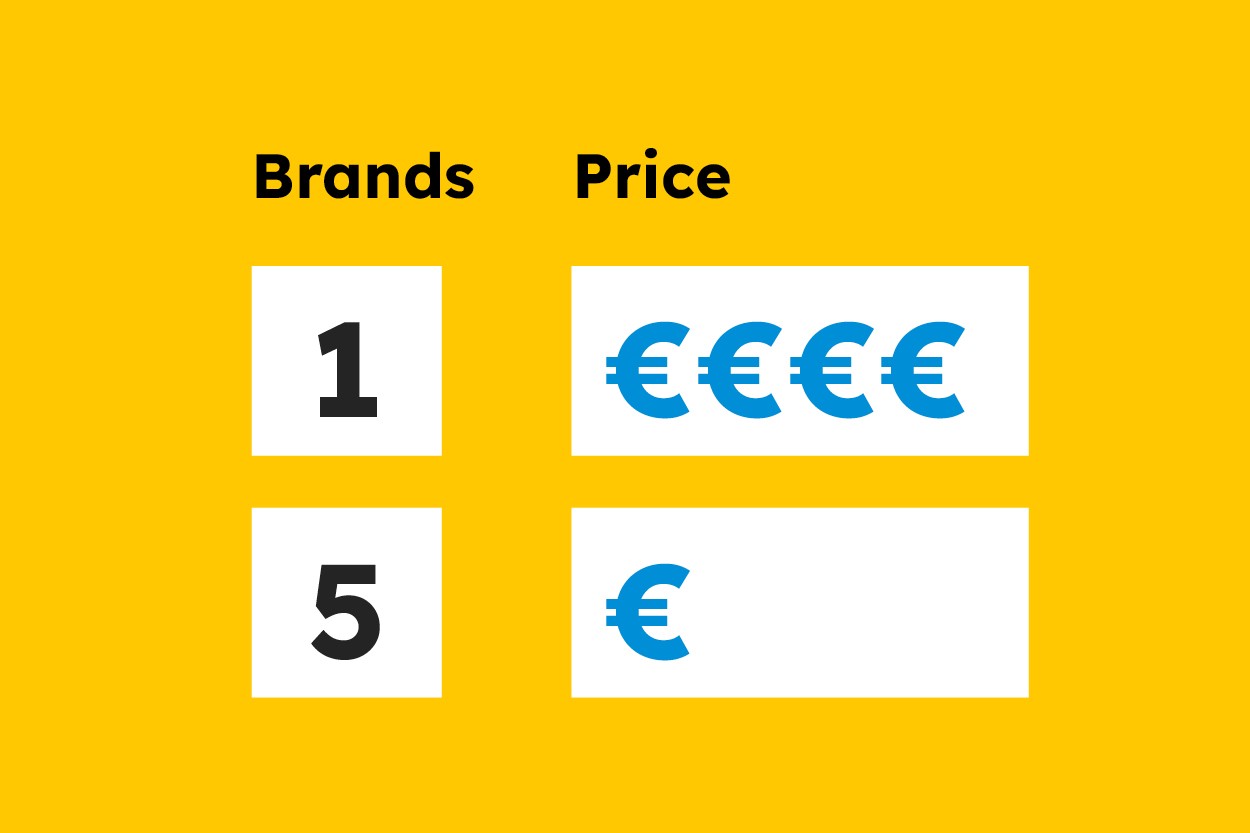
One brand costs €€€€, five brands in BrandDeck cost €

Almost every tool is priced for one brand

Read down the table and one thing stands out. Almost every established tool is priced for a single brand, and you request a quote to find out what that costs. For an in-house team with one brand, that is fine.

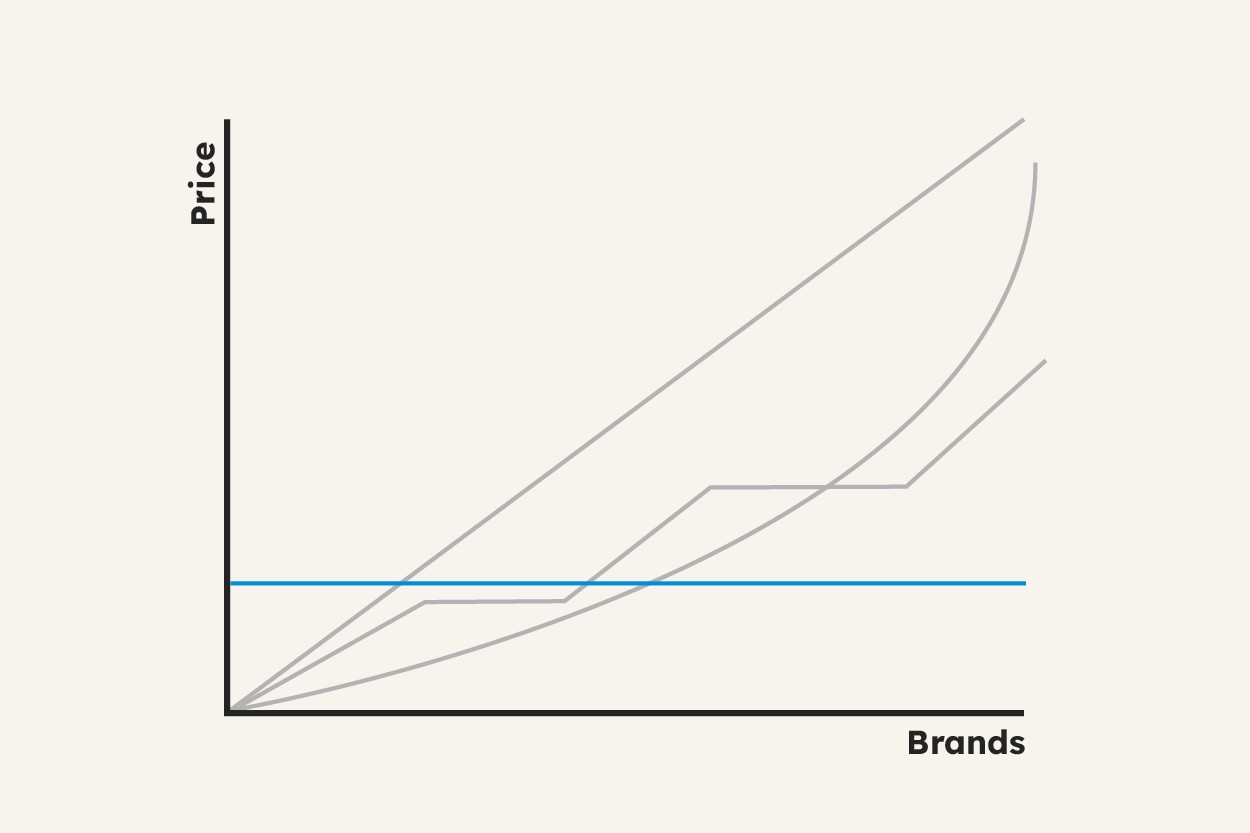
Chart: price climbs with every brand, BrandDeck stays flat

For agencies, that is the core problem

For an agency, a studio or a freelancer managing many client brands, that pricing model is the core problem. Every new client means a new quote, a new negotiation, or a jump to a higher tier. The cost climbs with every brand you take on.

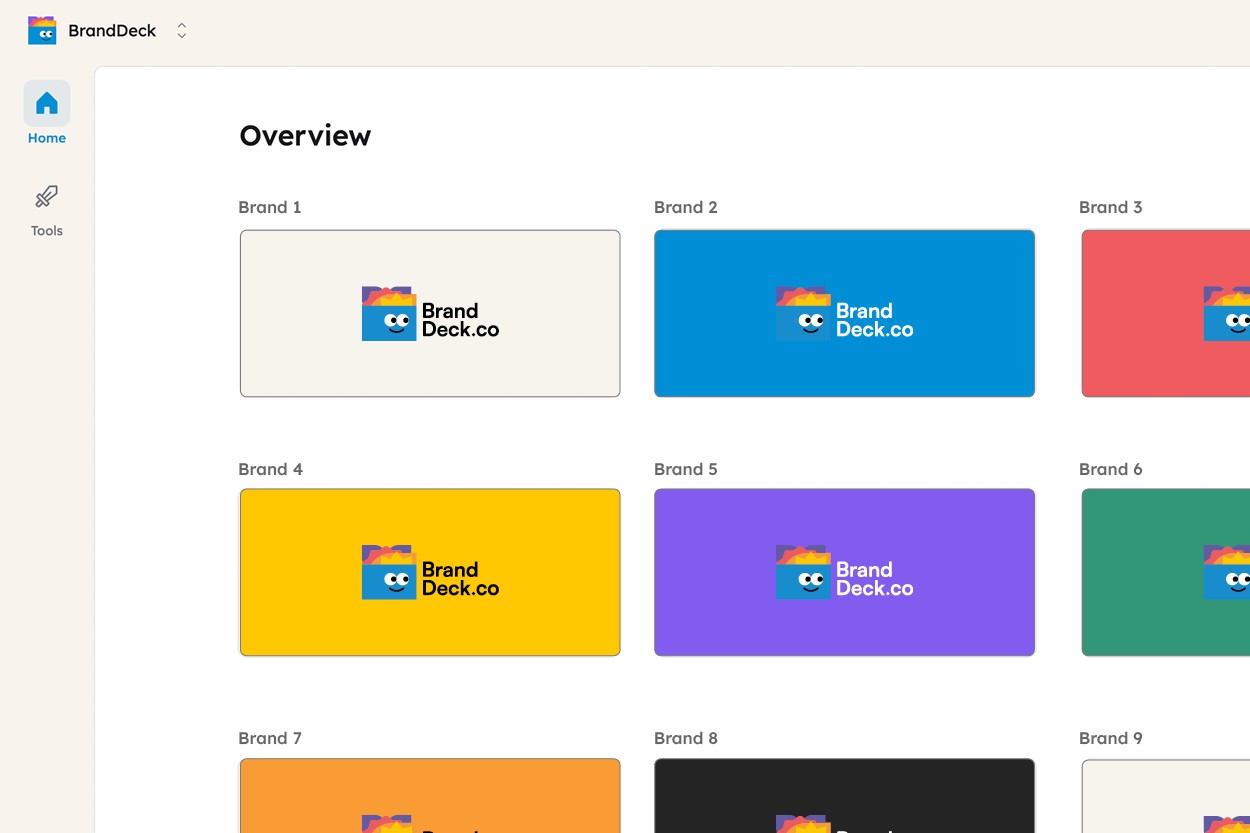
BrandDeck overview with many client brands

BrandDeck is built the other way around

BrandDeck works differently. One transparent price, multiple brands included, no quote to add the next one. Five brands on Go for €249 a year, thirty on Pro, a hundred on Studio. You see the price before you sign up, and you never have to ask permission to add a client. That, plus a custom domain to deliver under your own web address, is why agencies and studios specifically end up with BrandDeck.

Add brands in BrandDeck

The features are similar. The freedom is not.

The features are similar everywhere. The price, the number of brands you get for it, and the freedom to just add the next one are where the real difference is.

Frequently asked questions.

There is no single best tool, because most have similar features. The right choice comes down to price and how many brands you manage. Enterprises with one large brand often pick Bynder, Frontify or Papirfly. Agencies and freelancers managing many client brands tend to choose BrandDeck, because it includes multiple brands in one transparent price.

BrandDeck is built specifically for agencies. Most enterprise tools charge per brand and require a quote for each one, which gets expensive when you manage many clients. BrandDeck includes 5 to 100 brands in one price, with no quote needed to add the next, plus a custom domain to deliver under your own web address.

It varies widely. Enterprise platforms like Bynder, Frontify and Papirfly use custom quotes, often from tens of thousands of euros per year for a single brand. More transparent tools like Dash start around €1.400 per year. BrandDeck starts at €249 per year and includes five brands.

Most are priced for enterprise buyers, where pricing is negotiated per organization and per brand. That works for large in-house teams but is awkward for agencies, who then face a new quote or tier jump for every client brand. Transparent, multi-brand pricing like BrandDeck's is the exception, not the rule.

Broadly, yes. Guidelines, an asset library, sharing and collaboration are standard across almost all of them. The meaningful differences are in price, how many brands you get for that price, whether you need a sales call, and whether the tool is shaped around in-house teams or agencies managing many clients.

Ready to try BrandDeck that actually fits agency work?

Your first brand is free. No credit card, no sales call. Set up your first brand in under an hour.